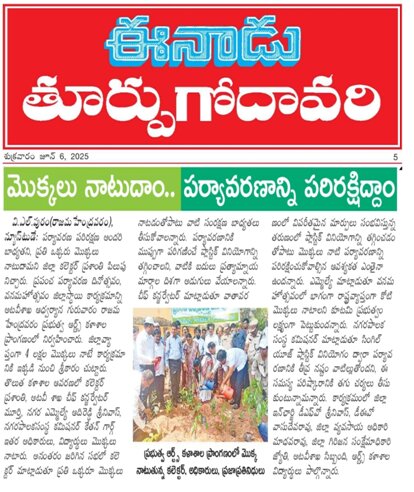
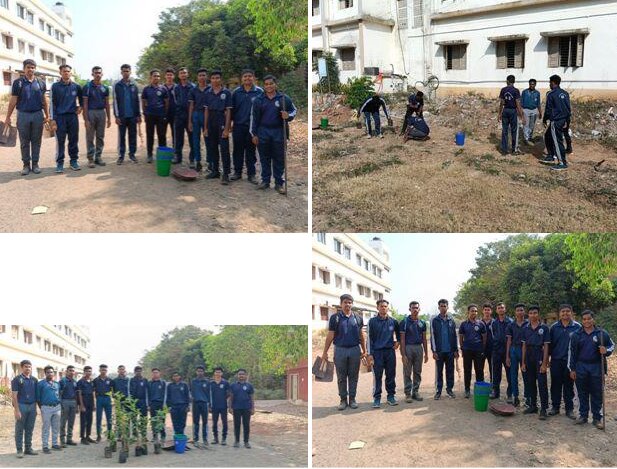
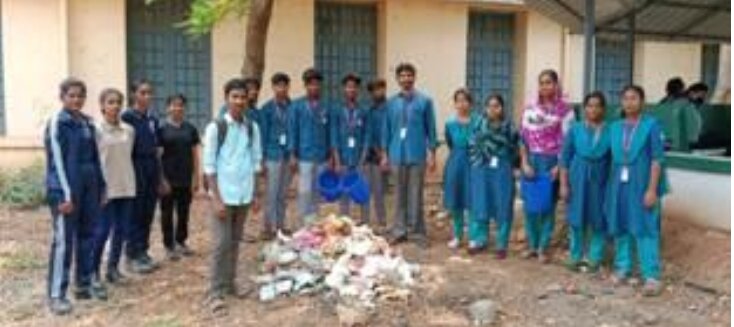
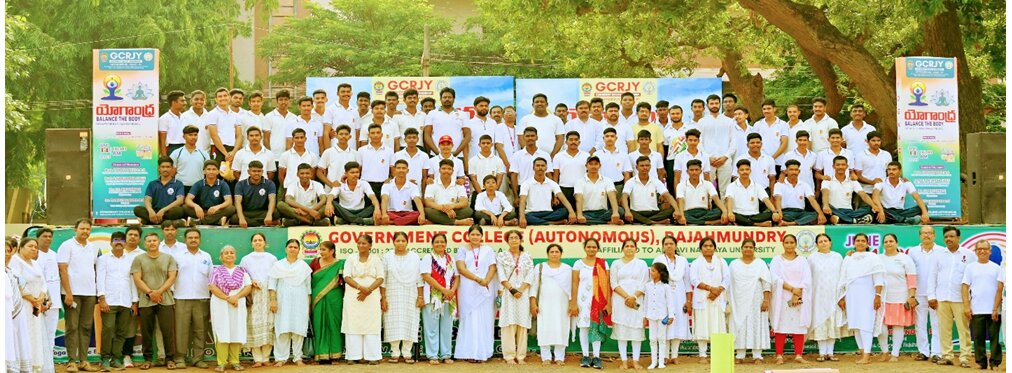
World Environment Day in 2025 focused on ending plastic pollution.
For decades, plastic pollution has seeped into every corner of the world, leaching into the water we drink, into the food we eat, and our bodies. While plastic pollution is a major concern, it is also one of the most fixable of today’s environmental challenges, with some obvious solutions at hand.
Plastic pollution exacerbates the deadly impacts of the triple planetary crisis: the crisis of climate change, the crisis of nature, land and biodiversity loss, and the crisis of pollution and waste. Globally, an estimated 11 million tonnes of plastic waste leak into aquatic ecosystems each year, while microplastics accumulate in the soil from sewage and landfills, due to the use of plastics in agricultural products. The annual social and environmental cost of plastic pollution ranges between US$300 billion and US$600 billion.
World Environment Day 2025 observance comes as countries make progress towards securing a global treaty to end plastic pollution, including in the marine environment.
Organizer(s):
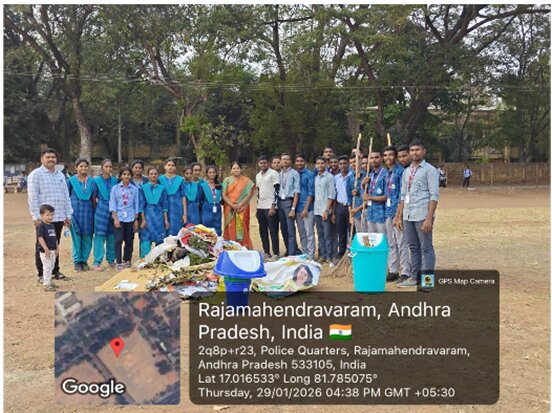
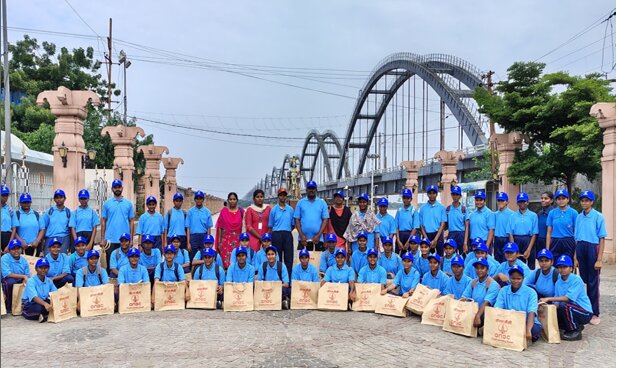
NSS, NCC, YRC wings and all students
Outcome:
The observance of World Environment Day 2025 with the theme of ending plastic pollution was highly impactful and educational. The programme successfully raised awareness among students about the harmful effects of plastic pollution on human health, ecosystems, and the environment.
Participants gained a clear understanding of how plastic waste contributes to major global challenges such as climate change, biodiversity loss, and environmental degradation. The programme also highlighted practical solutions, encouraging students to reduce plastic usage, adopt eco-friendly alternatives, and promote sustainable practices in their daily lives.
The initiative fostered a sense of environmental responsibility and motivated students to actively participate in protecting nature. It also encouraged them to spread awareness within their communities about minimizing plastic waste and supporting global efforts to combat pollution.
Overall, the programme was successful in creating awareness, inspiring positive behavioral changes, and strengthening the commitment of students towards building a cleaner, healthier, and more sustainable environment.