Discossion on Teaching and Research - November 21, 2024
Date: November 21, 2024
Duration:
1 day(s)
Venue:
Media Center- Buddha Bhavan
Target:
45
Number of Participants:
30
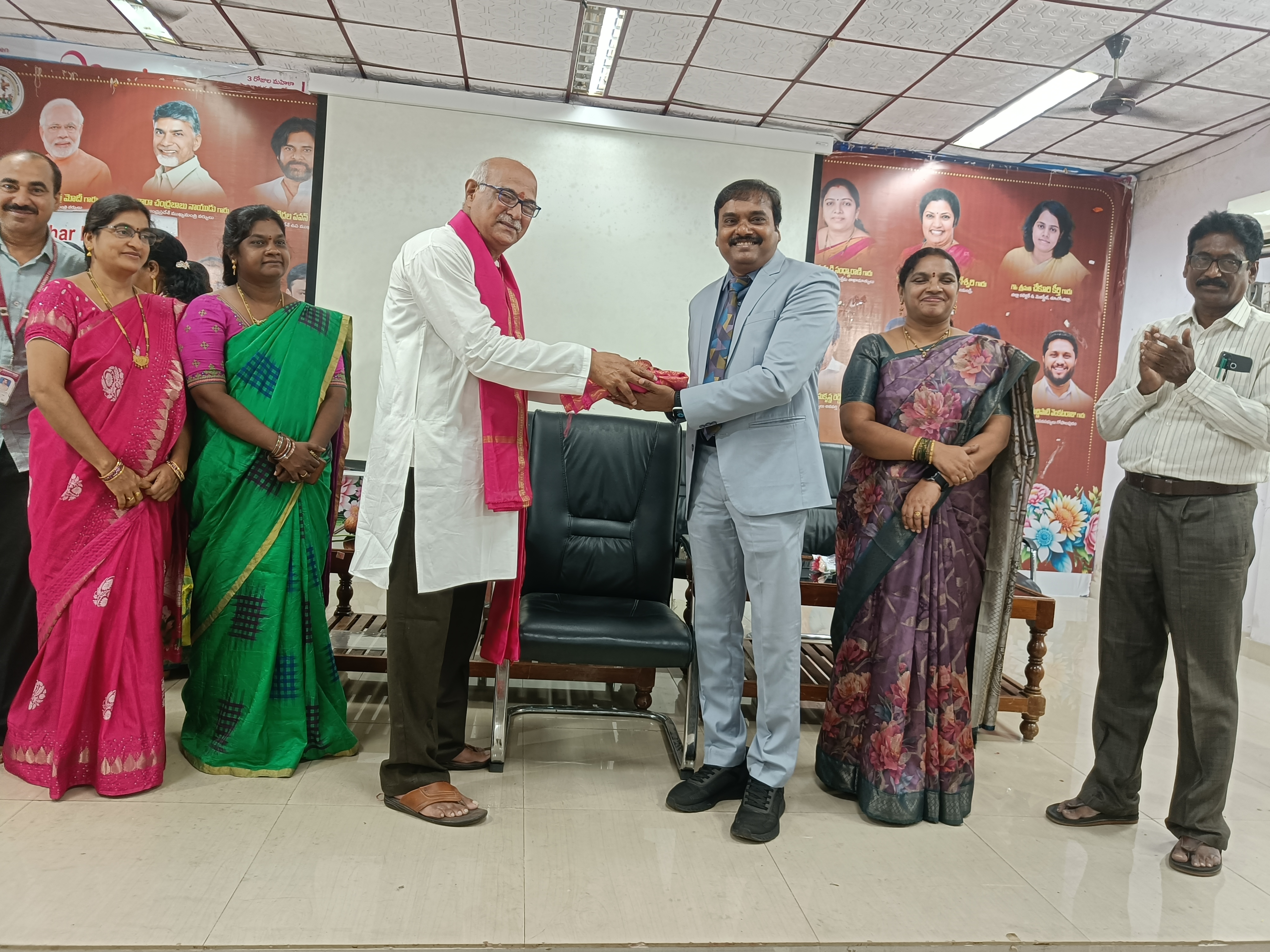
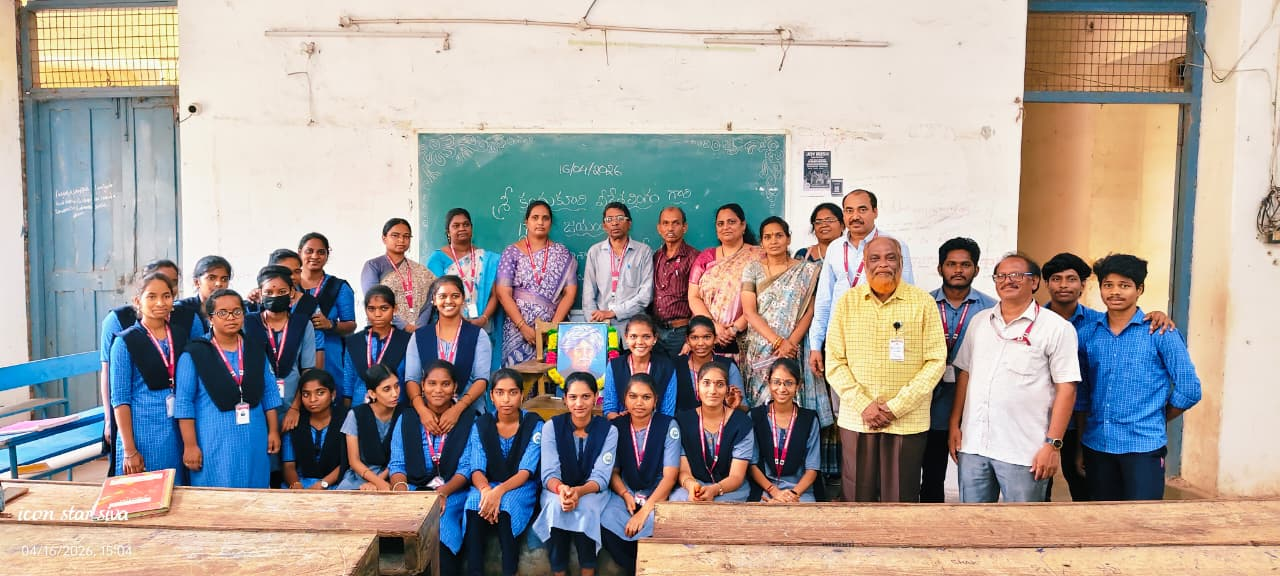
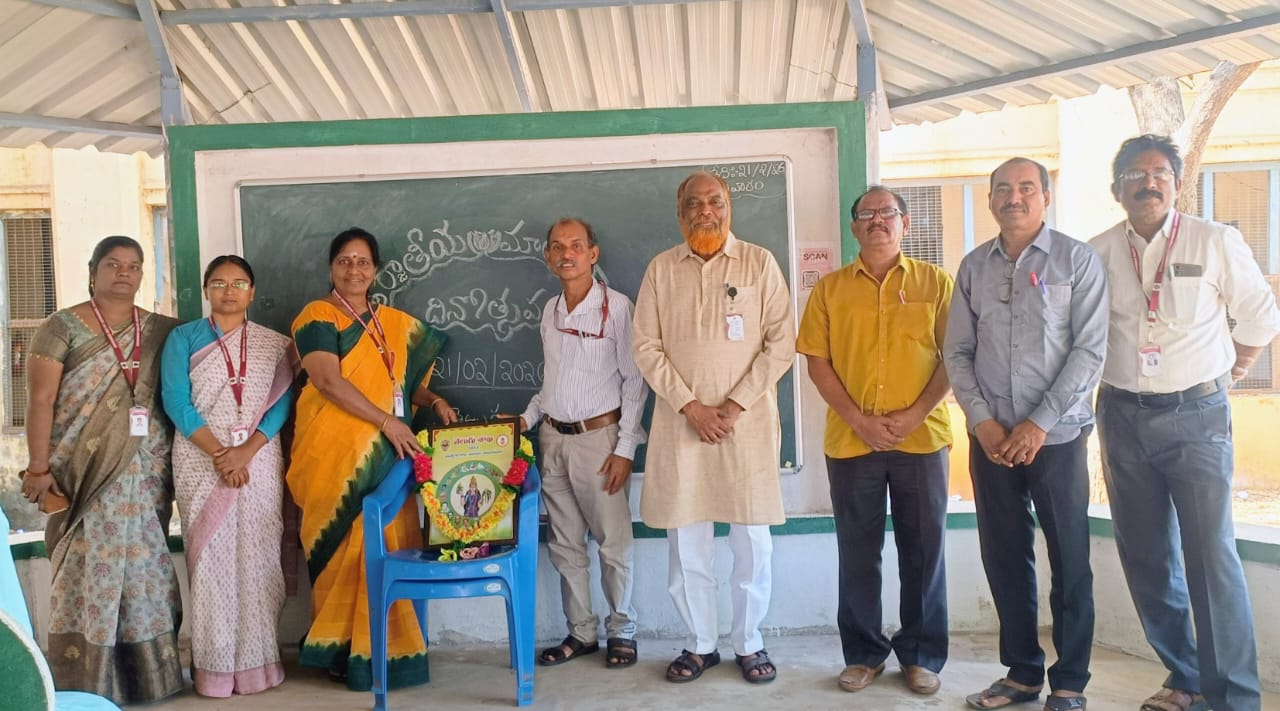
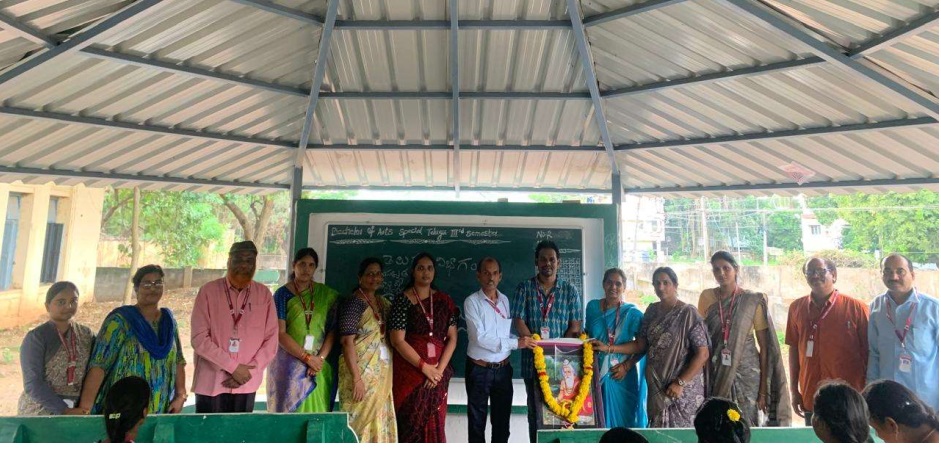
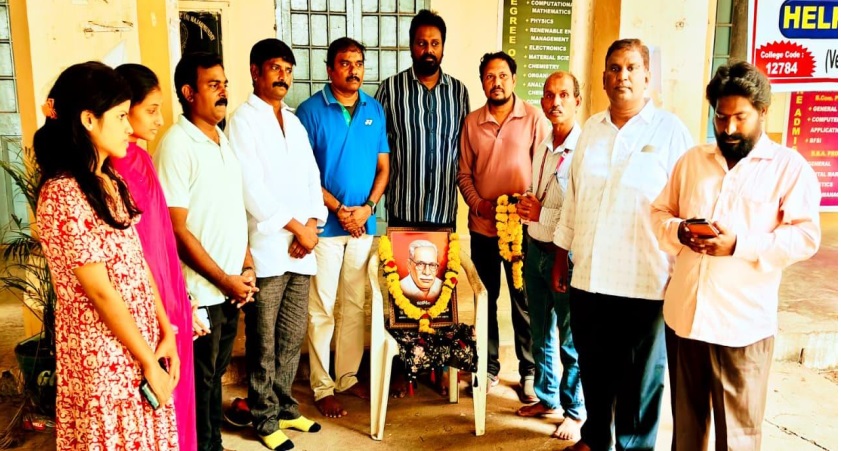
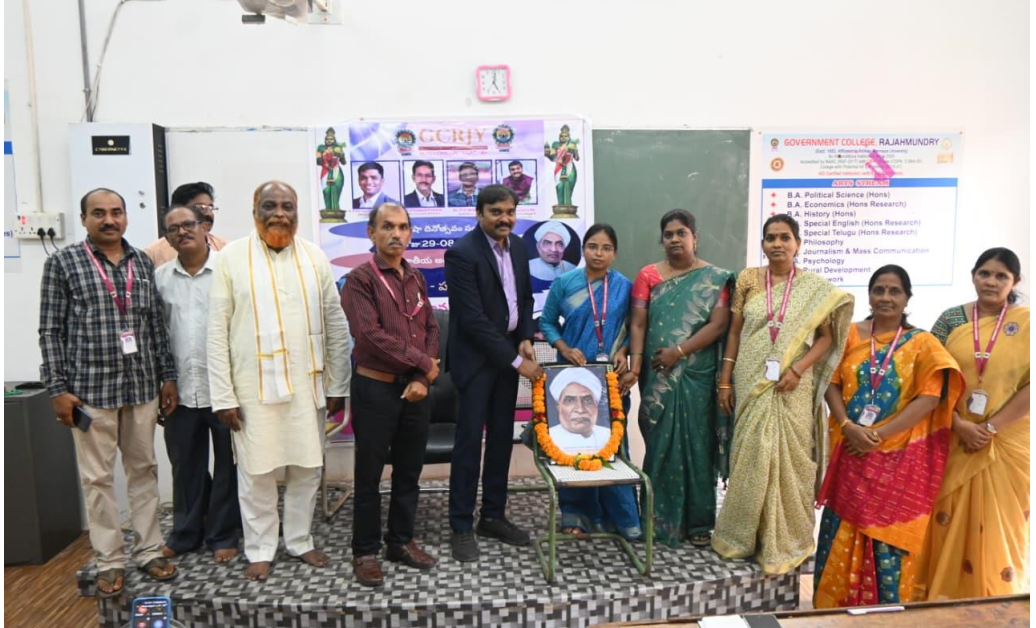
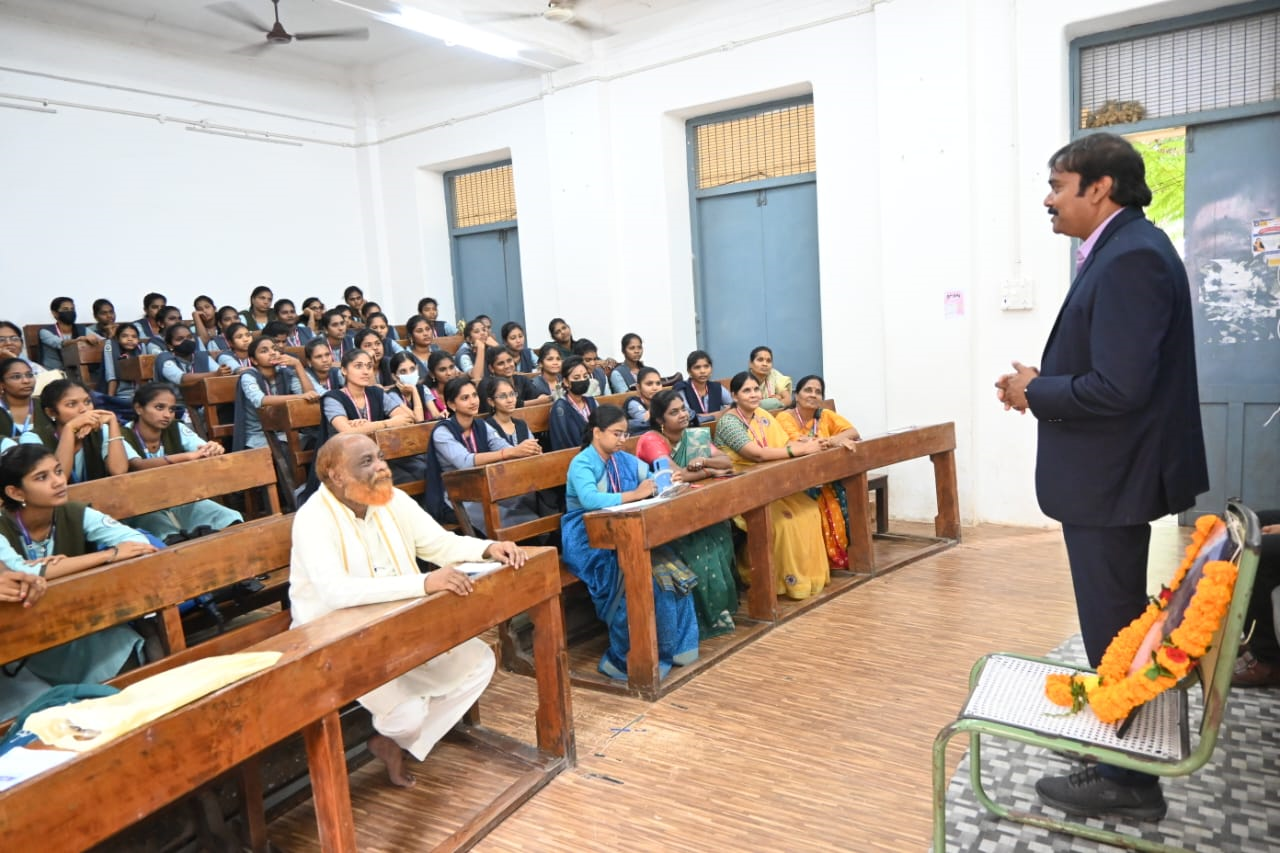
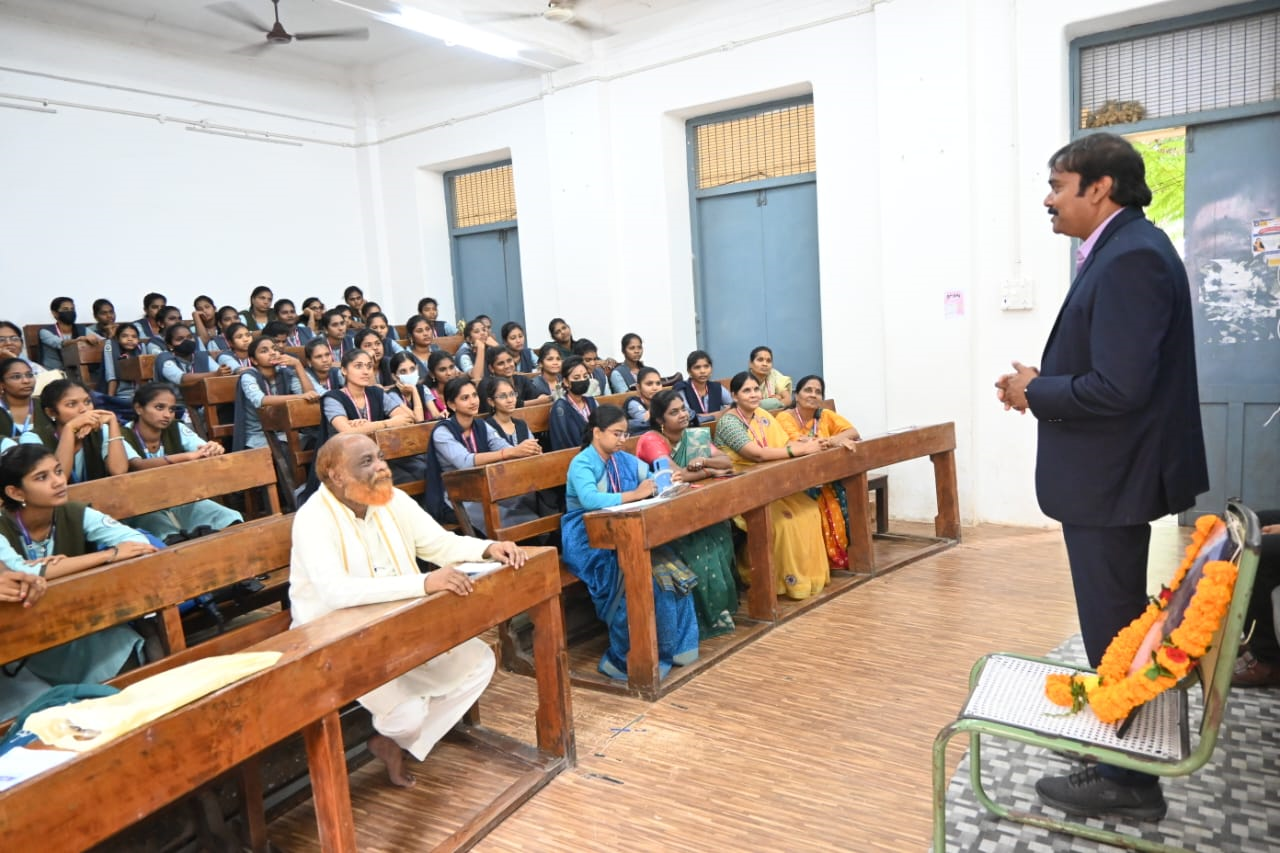
Under the directions of honorable principal Dr. Ramachandra R.K.; department of Telugu Government College autonomous Rajamahendravaram has conducted the program namely Discossion on Teaching and Research on 29-08-2024. In this context the principal has given a message to the stakeholders about the inspiration of great personalities thoughts. In this program the department In charge Dr. P. A. Satyanarayana has introduced to the audience the biography of Discossion on Research and teaching in Telugu encompass the study, development, and dissemination of knowledge in various fields through the Telugu language. This includes:
1. Literary Research: Analyzing and interpreting Telugu literature, exploring its themes, and understanding its cultural significance.
2. Language Studies: Investigating the structure, evolution, and usage of the Telugu language.
3. Pedagogy: Developing effective teaching methods and materials for Telugu language and literature.
4. Cultural Studies: Examining the cultural context of Telugu literature and its impact on society.
Objectives of the Program:
5. Promote Telugu language and literature
6. Develop research and teaching methodologies
7. Foster cultural understanding and appreciation
8. Enhance educational outcomes
Benefits:
9. Preservation and promotion of Telugu language and culture
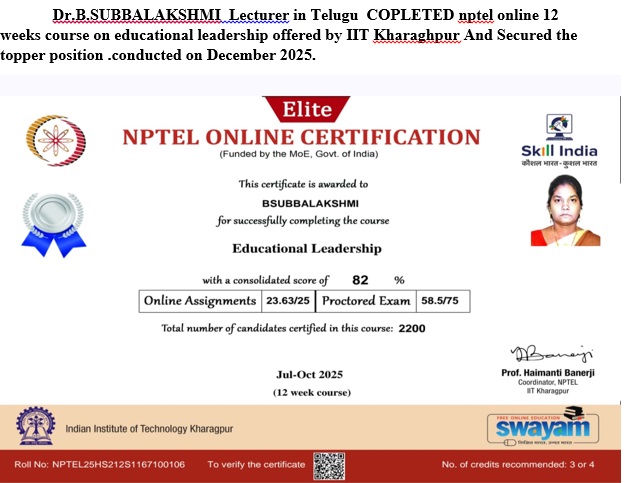
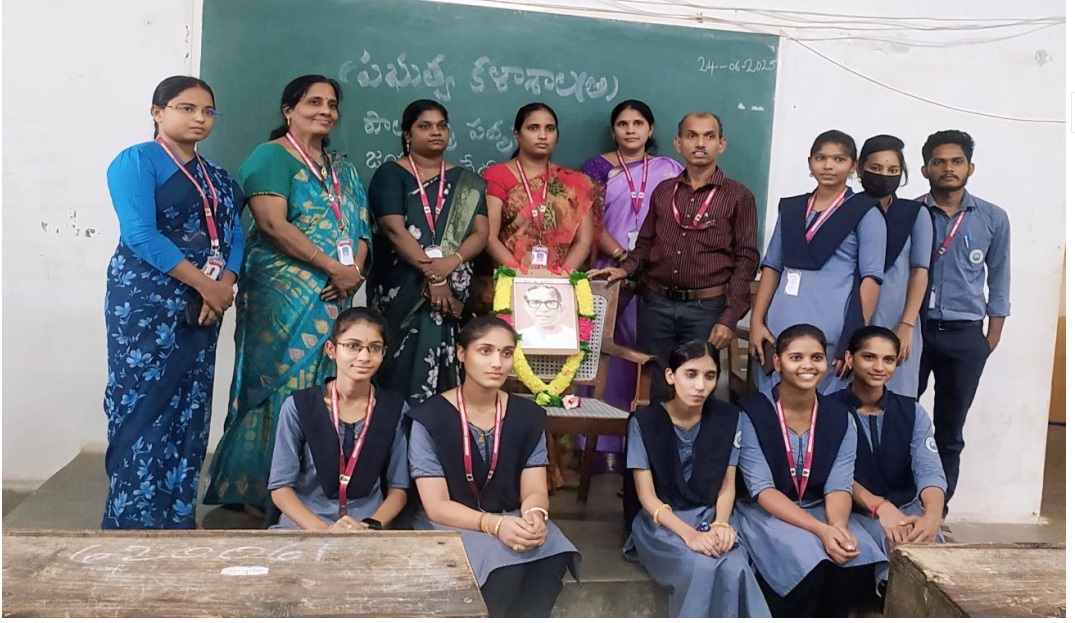
10. Improved educational outcomes for Telugu-speaking students. 11. Enhanced cultural understanding and appreciation. This description highlights the importance of research and teaching in Telugu, emphasizing its role in preserving and promoting the language, literature, and culture. In this occasion Dr P.A. Satyanarayana, Dr. B. Subbalakshmi, Sk. Jareena, Dr. S. Priskilla, P. Jagajjeevan, Dr.P. Sivajee, D. Raju, K.M. Soundarya, Dr. K. Prema Kumari, A.S.S. Siva, T. Revathi have participated.
Organizer(s):
Department of Telugu- HOD and members
Outcome:
Outcomes of the Program:
1. Improved Teaching Practices:
Research allows teachers to explore and implement evidence-based teaching strategies that are proven to enhance student learning.
2. Professional Growth:
Research can foster a deeper understanding of learning theories, curriculum development, and assessment methods, leading to increased competence and confidence as educators.
3. Enhanced Collaboration:
Engaging in research can connect teachers with a network of colleagues and experts, facilitating collaboration and knowledge sharing.
4. Addressing Classroom Challenges:
Research can help teachers identify and address specific challenges in their classrooms, leading to a more effective learning environment.
5. increased Self-Reflection and Analysis:
Teachers can use research to analyze their own teaching practices, identify areas for improvement, and develop more personalized learning experiences for students.
6. Increased Motivation and Engagement:
Research-informed teaching can make learning more engaging and relevant, leading to greater student motivation and participation.
7. Improved Academic Performance:
Effective teaching strategies derived from research can lead to improved student performance on assessments and in their overall academic achievements.
8. Enhanced Learning Experiences:
Teachers can create more personalized and effective learning experiences for students by using research to inform their teaching decisions.
9. Critical Thinking and Problem-Solving Skills:
Research can help teachers cultivate critical thinking and problem-solving skills in students through the use of inquiry-based learning and research-based projects.
10. Development of Research Skills:
Students can develop valuable research skills through participating in research projects and learning about the research process.
11. For the Wider Educational Community:
Improved Educational Systems: Research-informed teaching can contribute to the development of more effective educational systems and policies.
12. Continuous Improvement:
Research can be used to track progress and identify areas where further improvement is needed in educational practices.
13. Advancement of Educational Knowledge:
Research can contribute to the broader body of knowledge about learning and teaching, leading to more effective and innovative educational approaches.
Feedback:
1. Impact: Research has contributed significantly to the field, providing new insights and perspectives.
2. Methodology: Innovative methodologies have been employed, enhancing the validity and reliability of findings.
3. Application: Research has practical applications, informing policy, practice, or future studies.
4. Teaching Feedback: Effectiveness: Teaching methods have been effective in engaging students and promoting learning.
5. Clarity: Complex concepts have been clearly explained, facilitating understanding.
6. Support: Students have received adequate support, guidance, and feedback.
7. Suggestions: Interdisciplinary approaches: Incorporating interdisciplinary perspectives could further enhance research and teaching.
8. Collaboration: Collaborative research and teaching initiatives could foster knowledge sharing and innovation.
9. Feedback mechanisms: Regular feedback mechanisms could help refine teaching methods and research approaches.
10. This feedback highlights the importance of effective research and teaching practices, suggesting areas for improvement and potential benefits of interdisciplinary collaboration and feedback.